





Speakers at the European Forum on Music 2026
The 2026 edition of the European Forum on Music, themed “Music, Health and Wellbeing,” will bring together an outstanding lineup of speakers, thought leaders, cultural practitioners, and health professionals. Together, they will explore the powerful role of music in promoting physical and mental health, enhancing resilience, and fostering wellbeing throughout society.
Angelica Postu

Angelica Postu is a pianist, psychologist, and music, health and wellbeing expert whose work bridges music, culture, and healthcare. She holds a PhD from the Berlin University of the Arts, where she developed an innovative approach integrating therapeutic and neuroscientific perspectives, highlighting the impact of music on the human brain, emotion, and behaviour.
Alongside her clinical work at Charité University Hospital in Berlin, she teaches at leading music universities in Bucharest and Berlin, and is an active researcher and international speaker. She is the founder of the Romanian Music Therapy Association and serves as a board member of the European Music Therapy Confederation (EMTC), where she contributes to advancing music therapy practices and training professionals across Europe and beyond.
Through her work with musicians, healthcare professionals, and diverse communities, Postu promotes emotional health, resilience, and the powerful role of music in enhancing quality of life.
Anna Bednarska
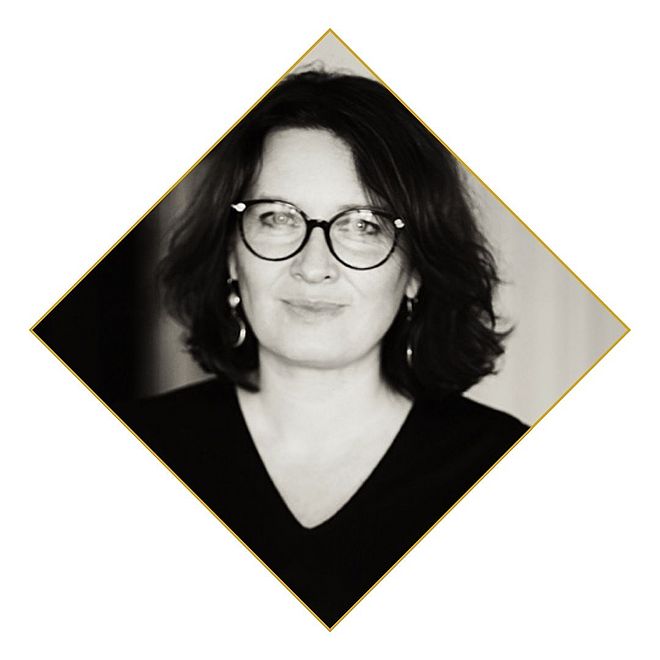
Anna Bednarska, PhD, is a Polish choral conductor, assistant professor at the Fryderyk Chopin University of Music in Warsaw, singing teacher, and director of the award-winning Alla Polacca Choir affiliated with the Polish National Opera. She has led workshops focusing on body awareness in breathing and resonant voice in Poland and abroad (the United States, Mexico) and has conducted concerts in Germany, Italy, Great Britain, and Norway. Recipient of the Gloria Artis Medal for Merit to Culture.
Celina Jerman Bright-Taylor
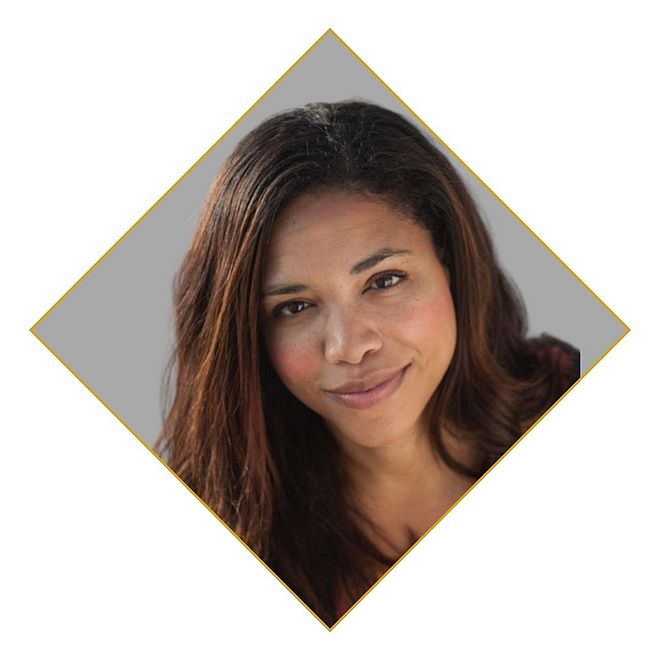
With a background in international relations and international law, Celina Jerman Bright-Taylor has in recent years worked extensively with human rights and the arts in various forms. She lived abroad for several years, but since returning to Norway she has been actively engaged with several civil society organizations, with a particular focus on artistic freedom of expression and corporate social responsibility.
She is deeply interested in how art and creative expression can communicate and elevate major societal issues, and how these forms of expression create new ways of connecting with people — enabling us to see and feel how changes in society and systems affect human lives.
As a leader, and formerly advisor, at Safemuse, she has worked closely with artists throughout all stages of artistic production. She also has extensive experience working with artistic freedom of expression through Safemuse’s international and national policy work, as well as through her long-standing role as a board member of World Expression Forum.
She has broad experience facilitating conversations with diverse audiences about the importance of art and culture. Celina has also worked with art and artists for many years as a contributor to the artist-run institution Hvitsten Salong and its annual art festival
Claudia Cacovean
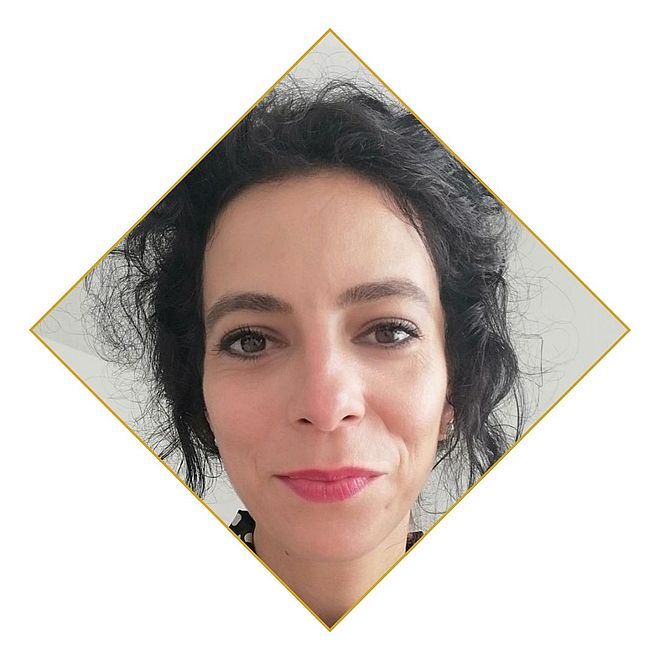
Claudia Cacovean is a project manager with over 10 years of experience coordinating national and European initiatives, with a strong focus on social transformation through culture. Her work sits at the intersection of culture, health, and social impact, where she combines project coordination, research, stakeholder engagement, and innovation to design meaningful artistic programmes that support health, well-being, and policy-relevant outcomes.
Hannah Conway
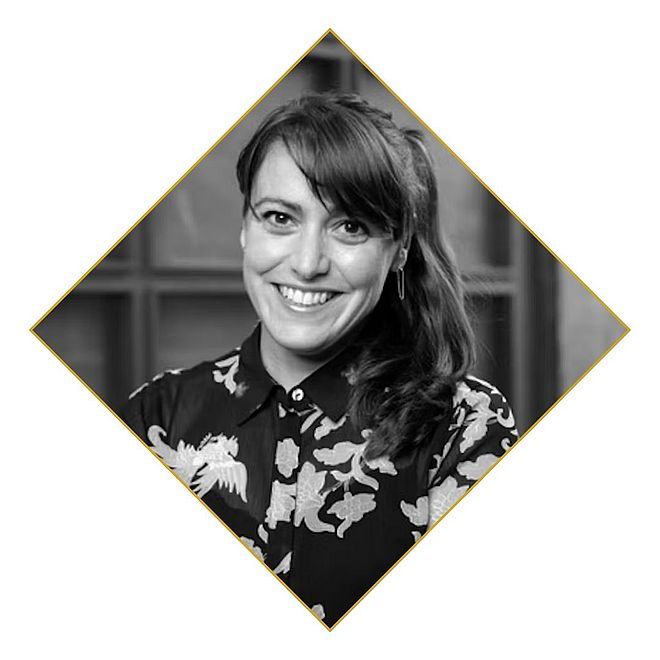
Hannah Conway is an Ivor Novello Award-winning composer, artistic director and founder of Sound Voice, an award-winning arts company creating new music works that explore voice, identity, lived experience and social change. Internationally recognised for her innovative work with communities, opera houses, orchestras, arts organisations and educational institutions, she has over 25 years of experience leading projects across eighteen countries. Her practice centres on collaboration and musical co-creation, bringing together artists, communities, researchers, healthcare professionals and people with lived expertise to create live performances, immersive installations and new forms of storytelling.
Her work has been presented internationally and recognised with major awards and nominations, including the European FEDORA Digital Prize, the Classical:NEXT Innovation Award, an Ivor Novello Award for Sound Art and a Sky Arts Award nomination. Through Sound Voice and projects such as The Sound Voice Project and 100 VOICES NHS, Conway has developed powerful artistic platforms for hidden narratives, particularly around voice loss, health, care and identity. Alongside her work as a composer and artistic director, she is also active as a presenter, trainer, consultant, keynote speaker and moderator, with experience across the cultural, educational, health and social sectors.
Jennifer Davison
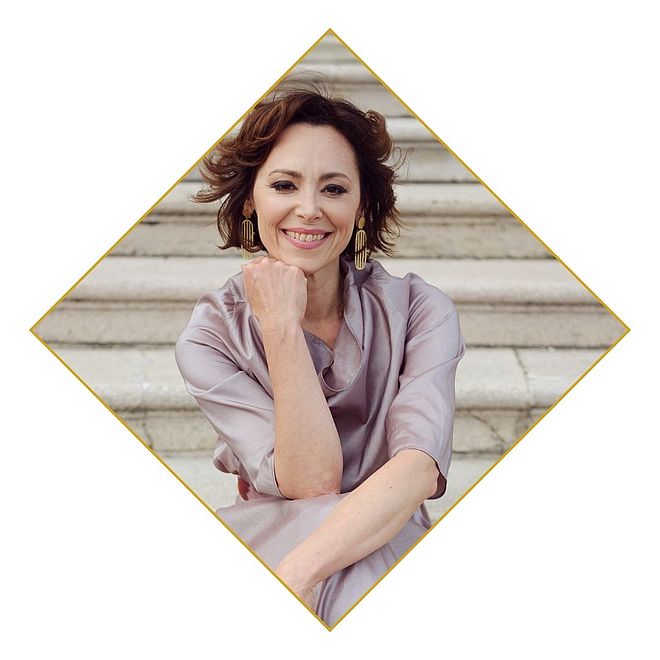
With 30+ years on opera stages around the world and a passion for the human potential-expanding power of the arts, Jennifer is a performer, teacher, trainer, and an innovator in the emerging NeuroArts and Arts for Health field.
A board member of “Arts for Health Austria”, Jennifer Davison developed and co-leads the project “Aufatmen”, a breathing and singing program to support management and recovery for Long Covid, Chronic Fatigue, and PVS. With the EU project “CARE” she created the program “Serenade for the Soul”, a workshop designed to help “Care for the Carers” which is being implemented in settings including hospital, education, social work, NGOs and corporations.
Further work includes sharing the principles of the arts for stress reduction, resilience, and to build creativity in a social impact startup “ArtWave.” She is a graduate of the Peabody Institute of the Johns Hopkins University, CCM of the University of Cincinnati, and has made her home in Europe for nearly 3 decades. She currently lives with her husband and daughter in Vienna
Thomas Dayan
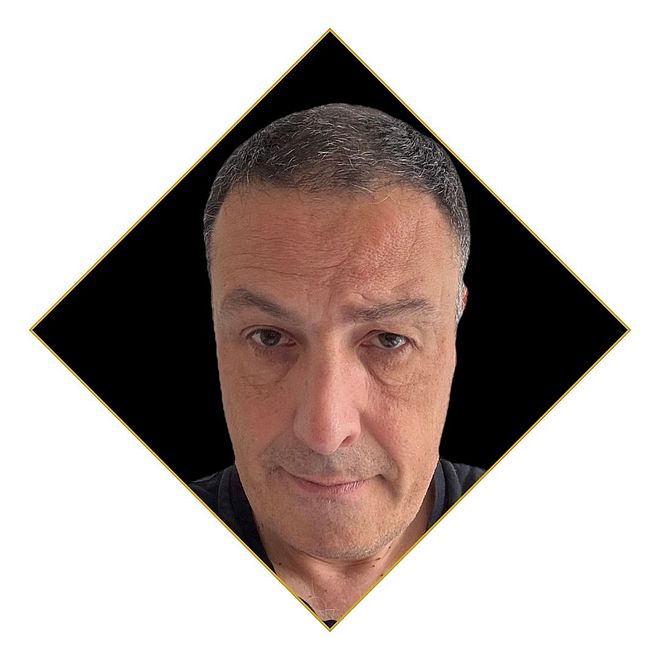
Thomas Dayan holds a Master 2 in Labour Law from Paris X University. He has been Assistant then Deputy General Secretary of the International Federation of Musicians since February 2001.
Before that, he worked as a consultant at UNESCO for the organisation of the World Congress on the status of the artist held at UNESCO Headquarters in June 1997
Between September 1998 and February 2001, he served as Legal Adviser at the French Musicians’ Union. During this period, he published several legal papers about social and labour issues as well as intellectual property rights in the musical publication “Harmoniques”.
Taras Demko
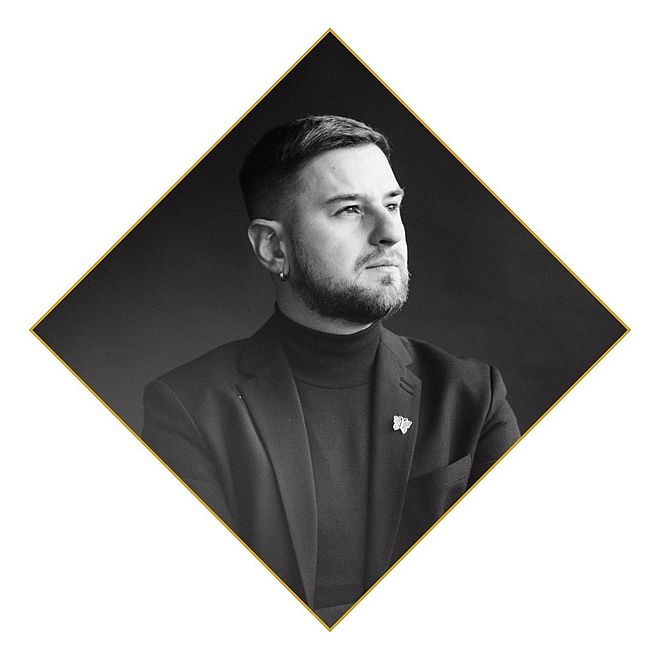
Taras Demko is a cultural manager and institutional leader from Lviv, Ukraine, with over a decade of experience in music and heritage institutions. He currently serves as Executive Director of the Lviv Concert House and Acting Director of the Lviv Music Museum, where he focuses on institutional modernisation, sustainable cultural management and connecting historical legacy with contemporary audiences.
At the Lviv Concert House, he also supports the strategic development of the Lviv Municipal Choir “Homin,” contributing to its growing visibility and digital presence. His work is strongly connected to the digitalisation of cultural heritage and the promotion of Ukrainian art internationally. He is also the co-founder of Ukrainian Live Classic, the first digital platform and mobile application dedicated to Ukrainian classical music.
With a background in philology and an interest in cross-cultural communication, his professional mission is to preserve, document and promote Ukrainian musical history through innovative management and international collaboration.
Simone Dudt
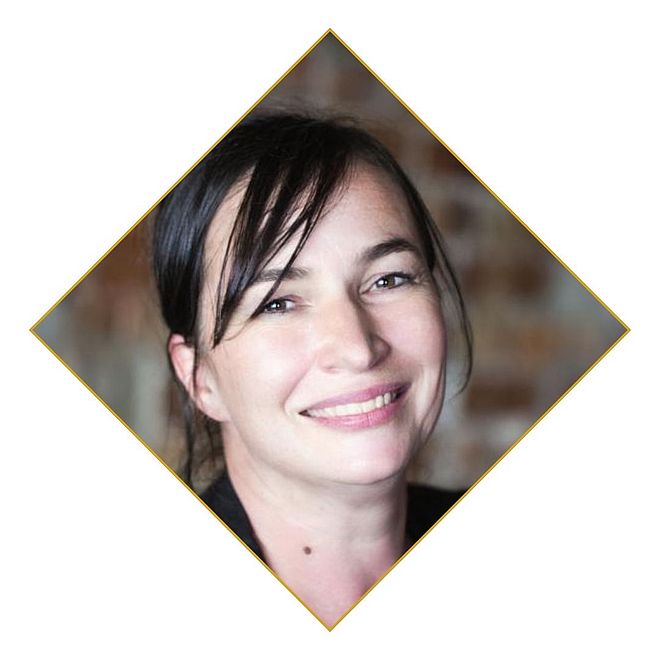
Simone Dudt studied cultural sciences in Hildesheim, Germany and Marseille, France focusing on Fine Arts and Music. She has been working for the European Music Council since 2004. Today, she is Secretary General of the European Music Council in dual leadership with Ruth Jakobi. Ruth and Simone are responsible for EMC’s strategic development, for advocacy work in cultural policy, as well as for the planning and implementation of international cooperation projects.
One of the most relevant advocacy tools coordinated by the EMC in cooperation with a huge number of stakeholders across the European music sector is the European Agenda for Music. From 2010-2014 Simone served on the Board of Culture Action Europe, a European umbrella organisation that advocates for culture at the EU institutions. She is author of diverse articles on music and cultural policy as well as a speaker on these topics at European conferences.
Nils Fietje
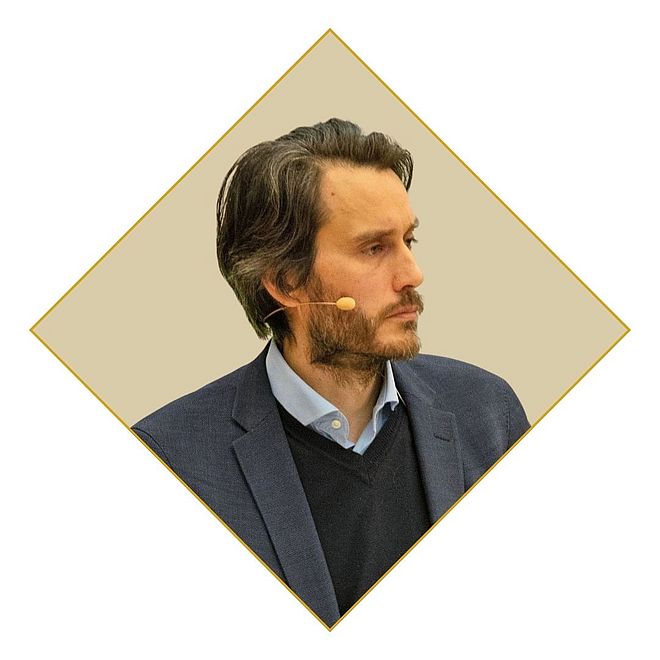
Nils Fietje (he/him) is a Technical Officer within the Behavioural and Cultural Insights (BCI) Unit at the WHO Regional Office for Europe. He has a background in English literature and the cultural history of medicine. As part of the BCI Unit, he is leading efforts to understand how cultural contexts affect and interact with health and well-being across the lifespan and throughout the continuum of care. Nils’ work includes a particular focus on the nexus of arts and health, having coordinated the first-ever WHO report on the evidence base for arts and health interventions.
Silja Fischer
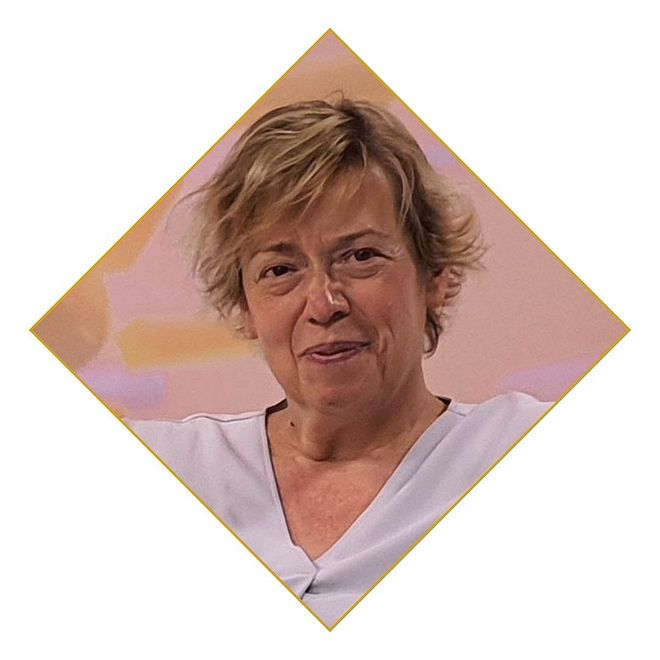
Silja Fischer studied in Berlin, Moscow and Hamburg. She joined the General Secretariat of the International Music Council in 1993 and has served since 2009 as Secretary General. In this capacity, she is notably in charge of IMC’s advocacy action, membership and programme strategies as well as partnerships. Since IMC is an NGO official partner of UNESCO, Silja ensures also the liaison with the UNESCO Secretariat as well as with diplomatic representations of Member States. Besides her great passion for music and its transformative power, Silja strongly believes in strategic collaborations for effective and efficient advocacy work. She represents IMC in various advocacy groups such as the CSO Global Coordination (2005 UNESCO Convention), and the #Culture2030Goal campaign.
Mila Georgieva
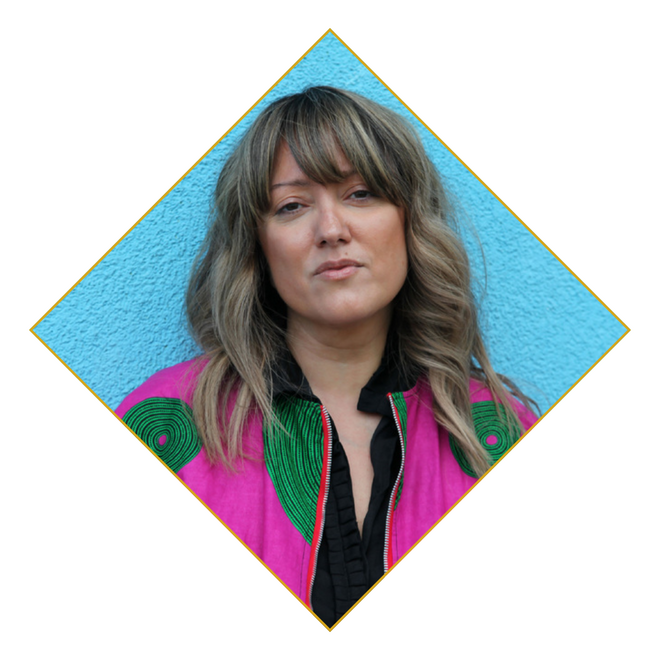
Mila Georgieva is one of the most active professionals in Bulgaria in the field of culture management, popularisation and promotion of the Bulgarian music scene around Europe and beyond. Her professional experience includes her work with the of A to Z Foundation/ A to JazZ Festival, the film and videogame music production company Four for Music, head of “Talent Management” department in the Bulgarian branch of CEEME, a Time Warner company and many more international projects in the field of music, arts, culture and education. Mila is currently a deputy-chairwoman of the board of Bulgarian Music Association, responsible for the International activities of the organisation and since 2020 a project manager of MOST project for Bulgarian Music Association and a Conference Producer of SoAlive Music Conference (SAMC) in Sofia, Bulgaria. Since 2025, she is the chair of the European Music Council.
Sonja Greiner
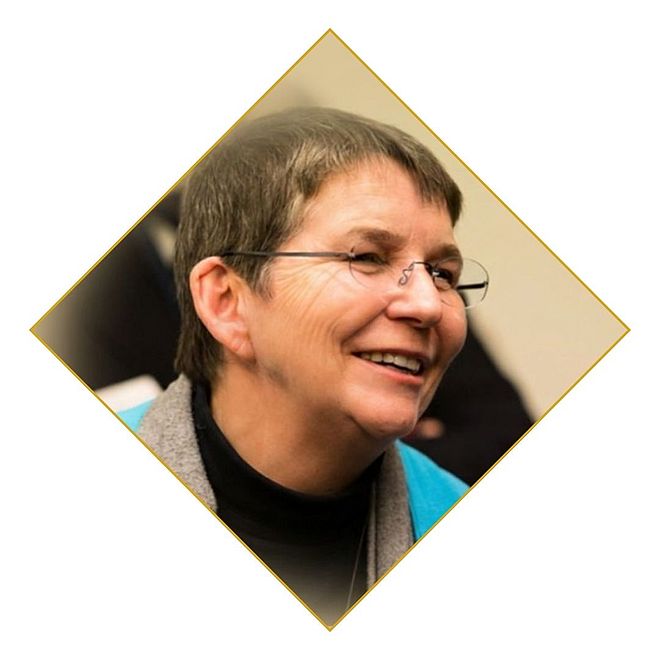
Sonja Greiner is the Secretary General of the European Choral Association – Europa Cantat and a member of the Board of the World Youth Choir Foundation, as well as governance advisor to the International Federation for Choral Music (IFCM).
With her German father and French mother as well as her two brothers, she spent several years of her childhood and youth in Peru and Ecuador, Latin-America, and thus learnt three languages at the same time. She later spent one year in United Kingdom (as Au Pair) and one year in Metz, France (as language assistant). After studying English, French and Spanish in Freiburg, Germany, and doing two years of teacher training, she first became the manager of the International Chamber-Choir Competition and the festival Musica Sacra International in Marktoberdorf (Germany) at the beginning of the 90ies. She later became deputy Secretary General and then Secretary General of Europa Cantat (European Choral Association since 2011).
Sonja Greiner was a board member and Treasurer of both the European and the International Music Council between 2000 and 2013 and was elected Honorary Member of the International Music Council in 2015.
Mimi Harmer
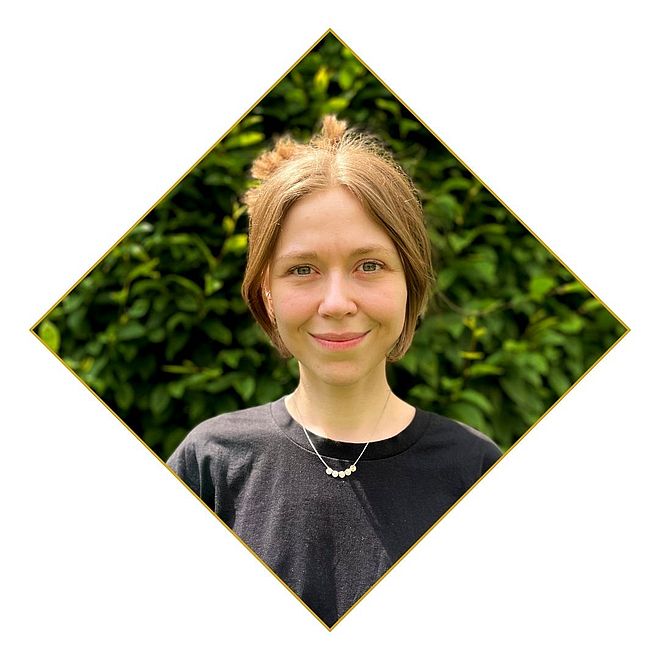
Mimi is an educator, cellist, composer, sound designer, and creative producer working at the intersection of music, technology, marketing, and education with a view to drive social change through arts and culture.
As an interdisciplinary artist, Mimi’s works have been performed internationally at festivals including the Edinburgh Fringe and ART*VR. She is a founding member of the XR collective Fresh Do, who make immersive and interactive experiences.
Alongside her artistic practice, Mimi’s work is driven by curiosity, care, and a commitment to widening access and participation in the arts. She designs and delivers socially-driven cultural and educational projects, and creates accessible, audience-centred experiences across digital and physical spaces for Global 500 companies.
Mimi is Co-Founder of the Artistic Intelligence Service, European Performing Arts Students’ Association, and a Board member for the F-List for Music, and the Independent Society of Musicians.
Ruth Jakobi
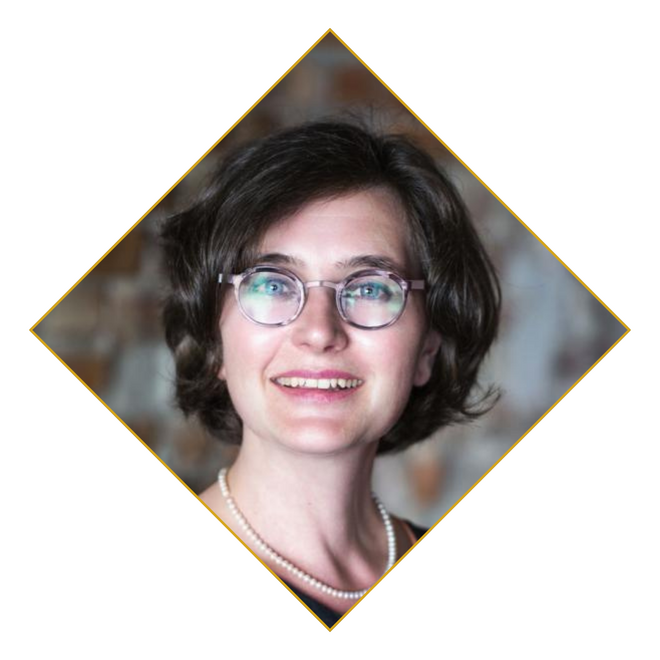
Ruth Jakobi has been Secretary General of the European Music Council (EMC) since September 2003 and today holds this position in dual leadership with Simone Dudt. The European Music Council, the regional group for Europe of the International Music Council, is the broadest umbrella organisation for musical life in Europe. It acknowledges the significant role that music and culture play in the political and societal development of a peaceful and integrative Europe. Ruth Jakobi and Simone Dudt are jointly responsible for the strategic development of the EMC as a member organisation, as well as for cultural policy work and the planning of international cooperation projects.
Since her studies in Hamburg (Germany) and Lyon (France), Ruth has developed and implemented a great number of international cooperation projects in the field of music, for the EMC, but also for other organisations (e.g. Music Conservatoire Hamburg, IRCAM, European Music School Union, IMC). For the EMC, she coordinated the final working groups sessions and launch of the European Agenda for Music, the Erasmus+ co-funded project SHIIFT and now EMC’s participation as co-leader in the Creative Europe co-funded project GreenBeat Nexus, which is part of the Music Moves Europe initiative.
Ruth is a passionate mentor for emerging music professionals and is often invited as a speaker or moderator to international music conferences.
In addition to her work for the EMC, she serves as a volunteer at Soroptimist International, Club Bonn - Bad Godesberg and as chairperson at the association supporting the Circus-school “Don Mehloni”.
Martha Lomeli-Rodriguez
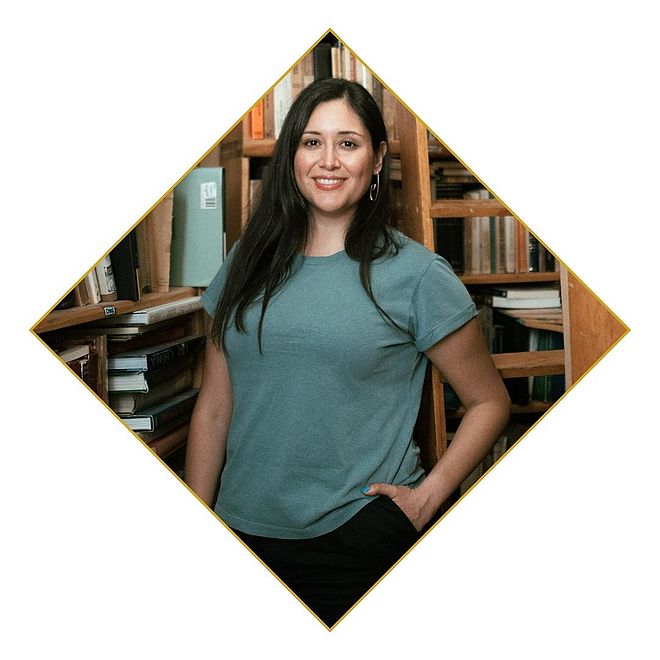
Dr. Martha Lomeli-Rodriguez is a Lecturer at Liverpool John Moores University. She completed her PhD in Social Psychology at University College London in 2022. Her research explores cross-cultural well-being and the use of music and creative methods to support marginalised and at-risk populations. She co-developed Recover with Music, a community-led intervention supporting adolescents affected by trauma, which has been implemented worldwide in partnership with UNHCR, the UN Refugee Agency.
Jimmie Nolsøe
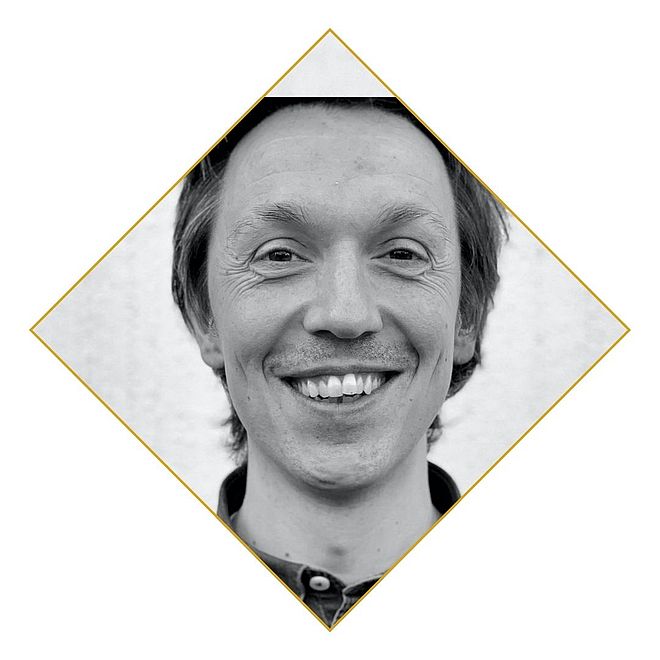
Jimmie Nolsøe has been working with the Danish music scene throughout two decades – as an artist, project manager and entrepreneur.
In 2024 he and Gunnild de Ridder started Wellbeing is Art (danish: Trivsel er en Kunst) together with a team of collaborators. Today Wellbeing is Art is a nationwide partnership gathering Music and Art Schools to find new ways to accommodate children and youngsters with mental health issues in creative communities.
Viktoriia Kumhyr-Novak
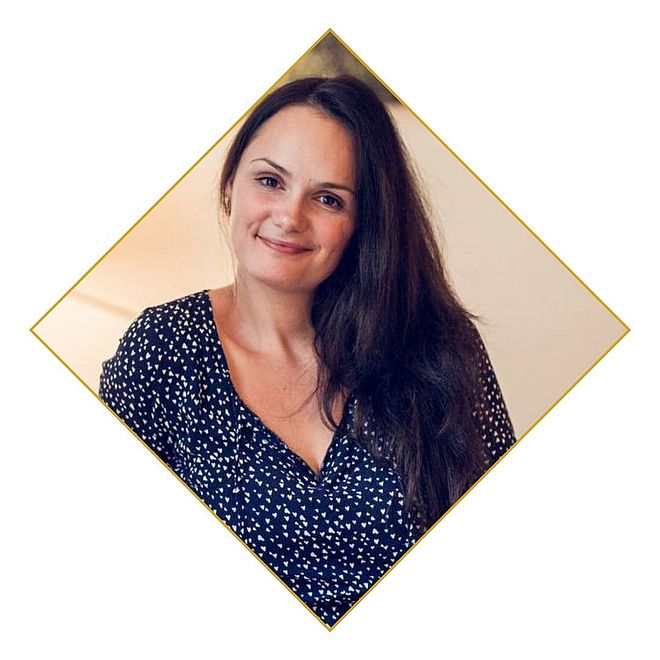
Viktoriya Kumhyr-Novak is a Ukrainian musicologist and educator based in Uzhhorod, Ukraine. She teaches music-theoretical disciplines at Uzhhorod Music Professional College named after D. Zador and works in the field of music education, community-based arts practice, and psychosocial support.
Her professional experience includes participation in training and practice-based initiatives in the field of music, arts, and wellbeing in Ukraine, with a focus on trauma-informed and community-oriented approaches. She has been involved in music facilitation activities with children and young people affected by war-related trauma and disability.
She is a certified facilitator and trainer of the Sounds of Changed method, and has taken part in international and interdisciplinary programmes connecting music, education, and healthcare.
Gunnild de Ridder
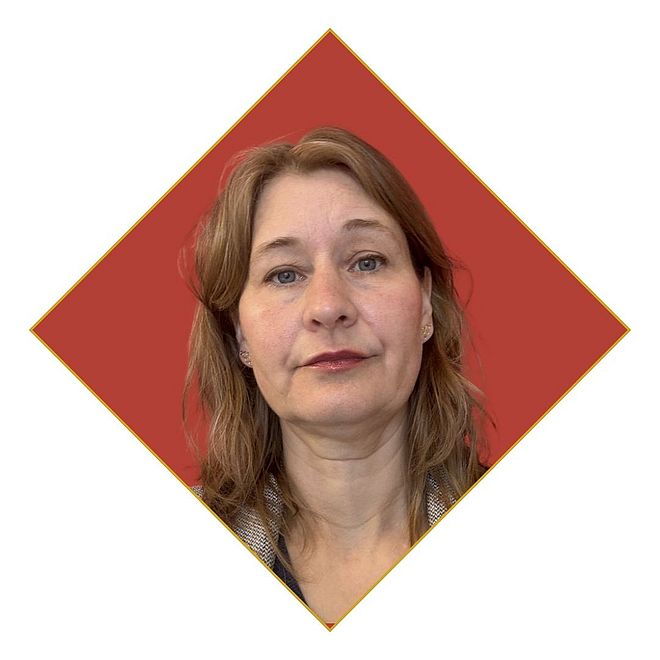
Head of development at Aarhus Music School in Denmark (2003–2025), leading multicultural, cross-aesthetic, inclusive projects for children and young people in national and international contexts. Holds an MA in Aesthetics and Culture from Aarhus University and further training and long experience in innovative learning design, project management and participatory methods.
Guillermo Rodríguez
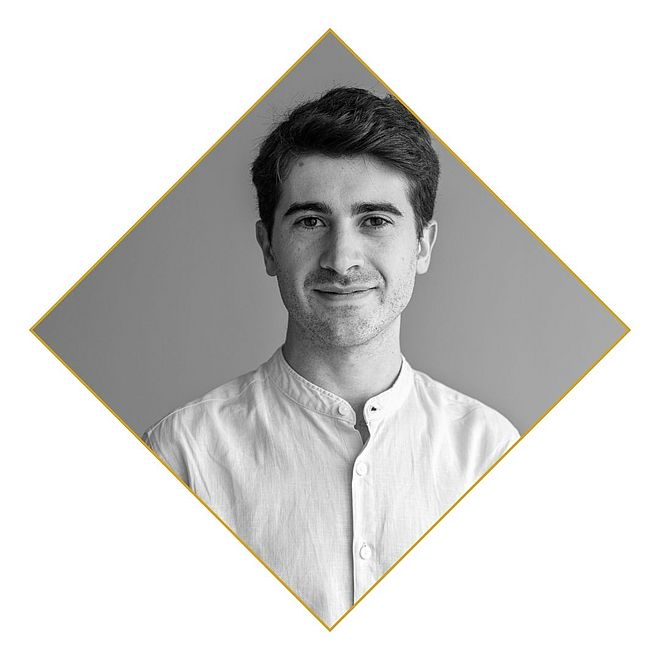
Guillermo Rodríguez is a pianist and cultural policy adviser based in Brussels. He is the co-founder of the Spanish Federation of Music Students and collaborates on advocacy and capacity-building initiatives with organisations such as the European Association of Conservatoires, UNESCO and the Spain Hub of Culture Action Europe, which he has been coordinating since 2025.
He leads initiatives aimed at strengthening the cultural ecosystem and fostering stakeholder engagement in policy-making, such as Ágora Clásica in Spain. He also coordinates youth participation programmes, including the Young Friends Programme of the Museo Nacional Thyssen-Bornemisza in Madrid and the Museu Nacional d’Art de Catalunya, contributes to external quality assurance in higher music education as a peer reviewer for MusiQuE – Music Quality Enhancement, and has been a member of the Culture Council of the Community of Madrid since 2025.
Since 2022, he has served as Head of Cultural Policy and Cultural Democracy at Kubbo. In March 2025, he joined Harmon to continue his work in cultural policy.
Andreea Iager Tako
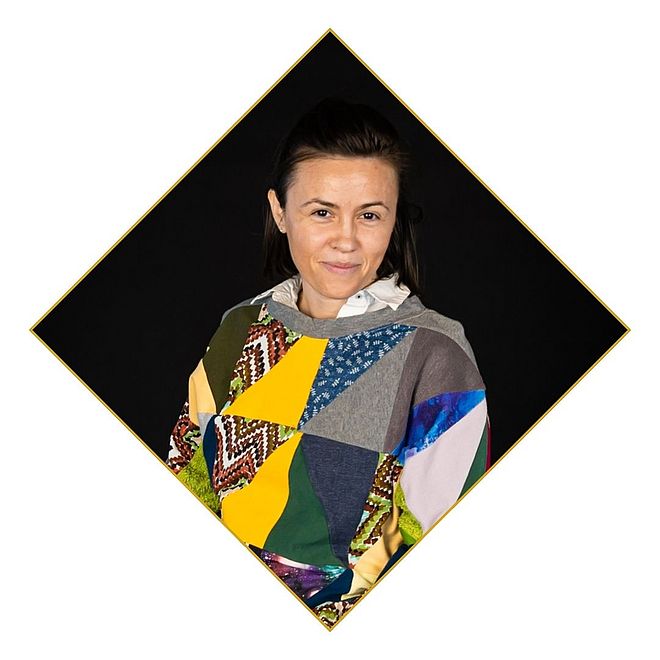
Andreea Iager Tako is passionate about discovering people, ideas, projects, and connecting them all into models that change communities by developing impactful solutions. She studied psychology and sustainable development in both urban and rural areas, and worked in marketing and human resources before dedicating herself full-time to community work. She is a co-founder of the PLAI Festival, supports PLAI productions (like JAZZx, BEGA!, and many others) for more than 20 years, co-founded AMBASADA - the first cultural social enterprise in Romania that supported the capacity building of the local doers, acting as a ecosystem builder for social impact. AMBASADA developed also an extension of creative and social businesses spaces through building.a.community as well as a prototype to inclusive and independent living space- building.a.home. Most recently, Andreea co-founded FABER - alongside great creative entrepreneurs. During the pandemic, she also founded a social enterprise - ONE.shirt - an endeavor in slow fashion that speaks about social inclusion and draws attention to the pollution of the textile industry and clothing waste. She has been part of the Trans Europe Halles since 2017 and has been elected to the Executive Committee Board since 2021.
Photo credits: Dana Moica
Monica Vejgaard
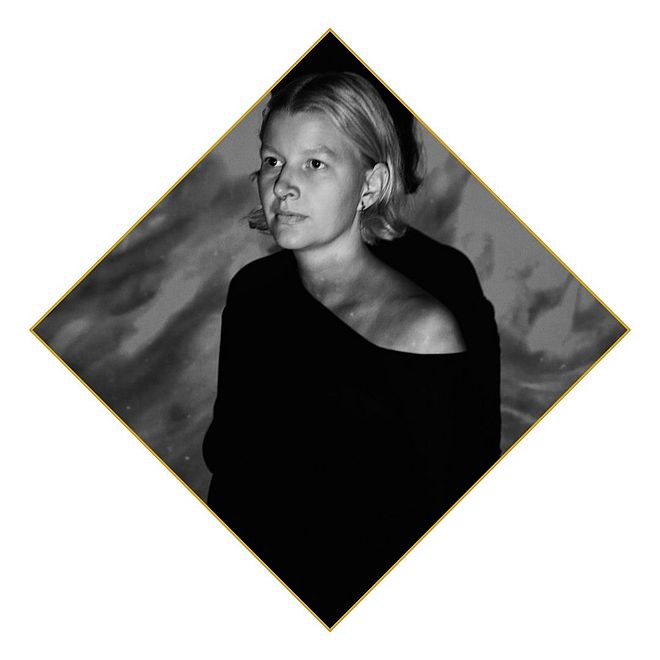
Monica Vejgaard is a Danish flutist, interdisciplinary artist, and cultural strategist working across music, artistic development, and cultural policy.
She is Creative Director at the National Union of Students in Denmark (DSF), where she develops artistic and strategic initiatives that strengthen student voice, democratic engagement, and cultural participation across Denmark. She is also the founder of Artistic Intelligence Service, a practice-based framework exploring how artistic thinking can be applied as a tool for innovation, institutional reflection, and cross-sector collaboration. Monica is a member of the AEC DEI Panel of Experts, where she contributes to European-level work on diversity, equity, and inclusion in higher music education.
Her work combines performance, facilitation, and research-based artistic development, often in collaboration with educational and cultural institutions. She focuses on how artistic methodologies can inform new approaches to leadership, participation, and systemic change within the cultural and creative sector.
Photo credits: Rasmus Kongsgaard
Robert Vroegindeweij
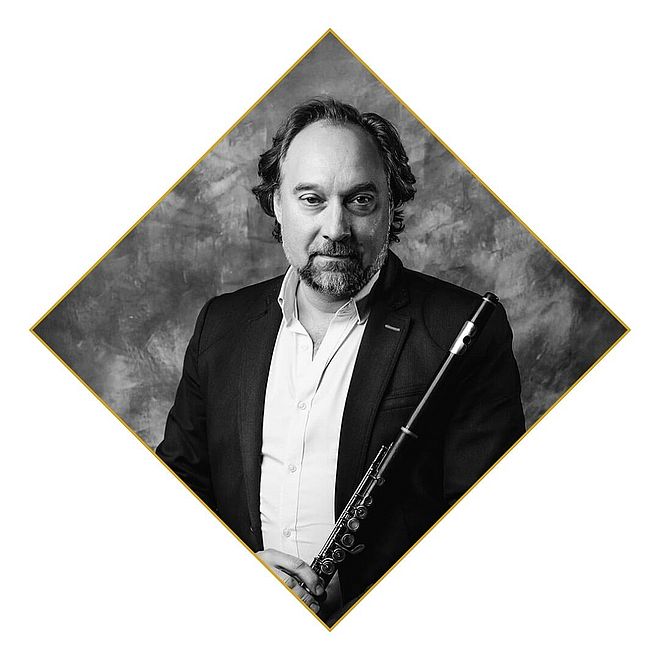
Robert Vroegindeweij has held the position of director of Muziekschool Zeeland since 2019. A Music school located in the Southwest of the Netherlands with 2500 students and a yearly reach out to 20,000 children in primary and secondary schools. Muziekschool Zeeland also provides large programs in the Social Domain with programs for elderly people in nursing homes. The slogan of the school is: “A long life of music, long live music!”
Mr. Vroegindeweij joined the presidium of the EMU in 2021 and the EMC board as representative of the EMU, AEC and AES in 2025. He also is co-founder of the Cultural Board Zeeland, which provides new strategies of connecting culture to other domains. The Cultural Board Zeeland connects strongly to the Economic board. The boards together invest in local livability and investment climate.
Robert Vroegindeweij started his career as a professional flutist, where the love for art and music was further shaped. The most important role for us is to pass this love for art to children. ‘The beauty of art brings wonder and shapes cultural identity, it makes who we are’.
Katharina Weinert
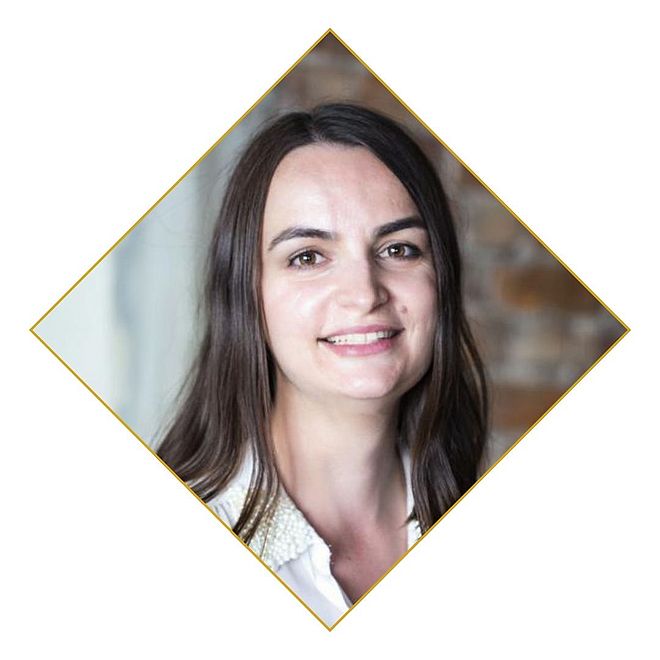
Katharina Weinert is the policy advisor of the European Music Council. Her tasks include analyzing policies and drafting policy recommendations on EU cultural policy and other fields relevant to music. She has participated in several Stakeholder Consultations on the EU levels such as Voices of Culture and Music Moves Europe and the European Agenda for Culture. Previously, she worked for the Creative Europe Desk Germany, the Cultural Policy Association and the Europe for Citizens Point in Germany. Since June 2021, she is a board member and Vice-President of Culture Action Europe.
Ana Zão
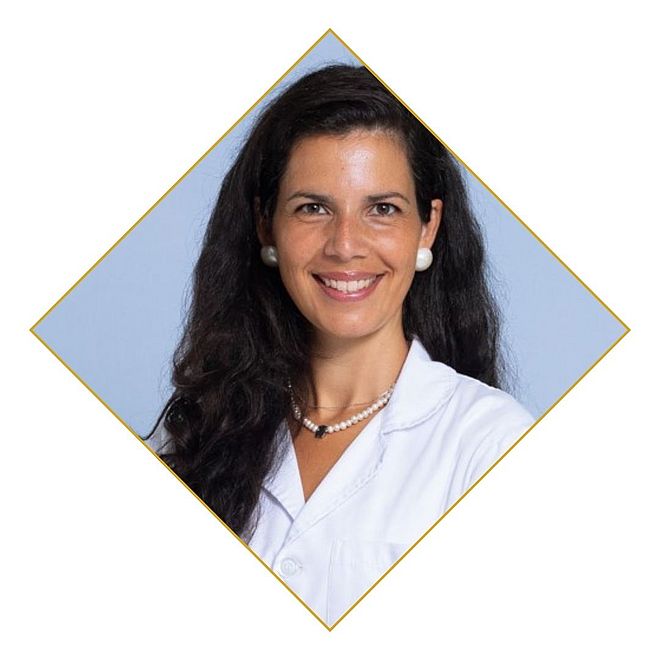
Ana Zão, Md PhD, is a physician, researcher, professor, and pianist working at the intersection of health, culture, and the arts. She serves as National Coordinator of Portugal’s Strategy for Health and Culture at the Directorate-General of Health (DGS). Specialized in Physical and Rehabilitation Medicine (PRM) and Pain Medicine, Ana is Clinical Director of the PRM Center and the Pain Medicine Unit at CUF Porto, as well as Director of the International Center of Arts Medicine (CIMArt), a pioneering centre in Portugal dedicated to artists’ health and to the implementation of arts-based interventions for health promotion, prevention and treatment. Ana is Professor at the Faculty of Medicine and Biomedical Sciences - University of Porto (where she leads the Course Medicine, Music and Mind), Medical Officer and Expert for the European Commission, and a consultant physician at ULS Santo António. She serves on the Board of the Pain Medicine Competence - Portuguese Medical Association and the Board of the Portuguese Society of PRM.
Her work combines clinical practice, research, education, cultural policy, and artistic experience, with a particular focus on advancing evidence-informed approaches to arts and health and on integrating music and the arts into healthcare systems and public health strategies.